Who Does HIPAA Apply To? A Plain-Language Guide for Providers
Who does HIPAA apply to, when does it apply, and what happens if you violate it? A clear guide for therapists and behavioral-health practices.
Who Does HIPAA Apply To?
HIPAA applies to three groups: covered entities (including most healthcare providers, health plans, and healthcare clearinghouses), business associates (vendors and contractors that handle protected health information on a covered entity's behalf), and the workforce members of both — employees, contractors, volunteers, and trainees who touch protected health information (PHI) as part of their work.
If you're a private-practice therapist trying to figure out whether HIPAA applies to you, the people you coordinate care with, or the tools you use to communicate, this guide walks through it in plain language — plus what actually happens if something goes wrong.
A note before we start: This article is general educational information, not legal advice. HIPAA requirements can hinge on your specific practice setup and your state's laws. When a question affects compliance or liability, confirm with a qualified compliance professional or healthcare attorney.
The Short Answer: Covered Entities, Business Associates, and Their Workforces
HIPAA doesn't apply to "anyone who sees health information." It applies to defined categories. Here's each one in plain terms:
Covered entities are the core group HIPAA was built around:
- Healthcare providers who transmit health information electronically in connection with certain standard transactions (for example, submitting claims to insurance). This includes many therapists, psychologists, and counselors in private practice.
- Health plans — insurers, HMOs, employer group health plans, and similar.
- Healthcare clearinghouses — organizations that process health data into standard formats.
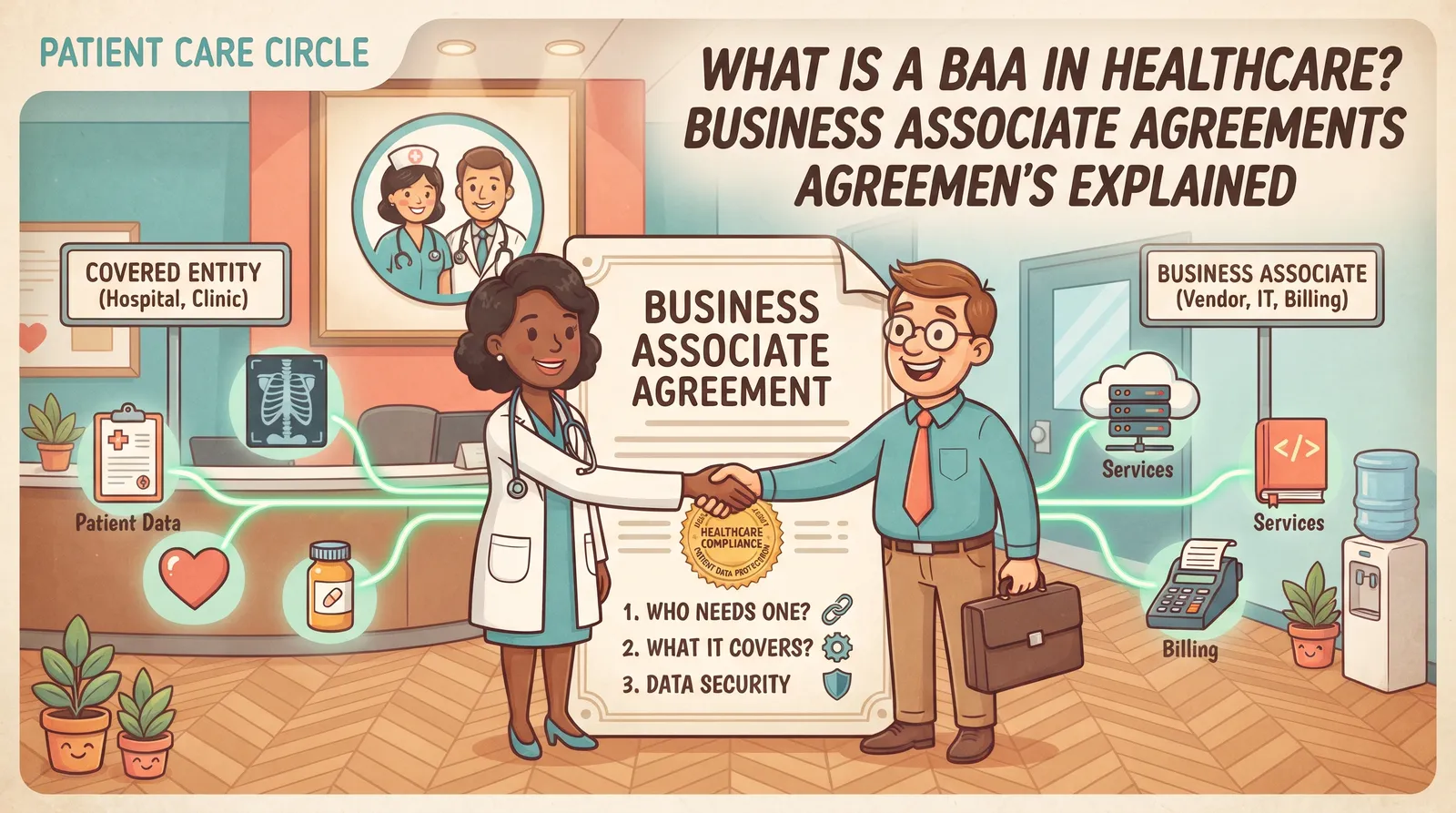
Business associates are people or companies that create, receive, maintain, or transmit PHI on behalf of a covered entity. For a therapy practice, this can include:
- Your billing service or medical biller
- Your electronic health record (EHR) vendor
- A secure messaging or telehealth platform that stores or transmits PHI
- An IT or cloud-storage provider with access to PHI
Business associates generally must sign a Business Associate Agreement (BAA) with the covered entity and are directly liable for certain HIPAA requirements.
Workforce members are the individuals inside a covered entity or business associate — employees, independent contractors, trainees, and volunteers — who handle PHI. If you've ever said "because HIPAA applies to me," this is usually why: you're part of a covered entity's or business associate's workforce.
Does HIPAA Apply to Private-Practice Therapists?
[Needs clinician review]
In most cases, yes — but the trigger is worth understanding. A healthcare provider becomes a covered entity under HIPAA when they transmit health information electronically in connection with a HIPAA standard transaction. The most common example is submitting insurance claims electronically (or using a billing service or clearinghouse that does so on your behalf).
That means:
- A therapist who bills insurance electronically is very likely a covered entity.
- A therapist who uses a clearinghouse, EHR, or billing service that performs those electronic transactions is very likely a covered entity.
- A strictly cash-pay, self-pay practice that never conducts a HIPAA standard electronic transaction may fall outside the "covered entity" definition — though this is narrower than people assume, and other privacy obligations (including state law and professional ethics rules) still apply.
Because this determination depends on exactly how your practice handles transactions and your state's rules, don't assume one way or the other. Confirm your status with a compliance professional before relying on it.
Is HIPAA Only for Doctors and Hospitals? Common Myths
A lot of search traffic comes from people asking whether "HIPAA only applies to healthcare providers" or whether it's "only for medical professionals." The short answer: no. Here are the most common misconceptions:
Myth: "HIPAA only applies to doctors and hospitals." Behavioral-health providers — therapists, counselors, psychologists, social workers — are healthcare providers too. If you meet the covered-entity definition, HIPAA applies to you the same way it applies to a physician.
Myth: "HIPAA covers all health information everywhere." HIPAA protects PHI held by covered entities and business associates. The same health fact held by a non-covered party (say, a fitness app, a life-insurance company, or a friend) may not be governed by HIPAA at all. HIPAA is about who holds the information and why, not just the information itself.
Myth: "If I'm not a doctor, I'm off the hook." Billing contractors, EHR vendors, and IT providers can be business associates with direct HIPAA obligations. You don't have to be a clinician to be bound by HIPAA.
Myth: "HIPAA is the only privacy law I need to worry about." State privacy laws, and professional ethics codes for your license, can impose stricter requirements. More on that below.
When Does HIPAA Apply — and When Doesn't It?
[Needs clinician review]
HIPAA applies when a covered entity or business associate is handling PHI in the course of its covered functions. It generally does not turn every conversation involving health into a federal matter. A few illustrative scenarios (general information only — verify specifics):
- Coordinating care with another provider about a shared patient: PHI is involved, and HIPAA's rules on permissible disclosures and safeguards apply. Treatment coordination is generally a permitted use, but how you transmit that information still has to meet the Security Rule.
- Talking with a patient's family member: HIPAA sets rules for when you may share information with family. Whether a disclosure is permitted depends on the situation, patient consent or objection, and your professional judgment — this is a frequent area of confusion and worth reviewing carefully.
- School counselors and student records: Records in some school settings may be governed by FERPA rather than HIPAA, depending on the setting and who maintains them. This boundary is nuanced.
- Casual or personal conversations unrelated to your covered functions: Information you learn outside your role as a covered entity's workforce member may not be PHI under HIPAA — but professional ethics and confidentiality obligations can still apply.
Because the "does it apply here?" question turns on facts that vary — and because getting it wrong carries real consequences — treat the above as a starting point, not a final answer.
HIPAA Applies to Which of the Following? Quick Self-Check List
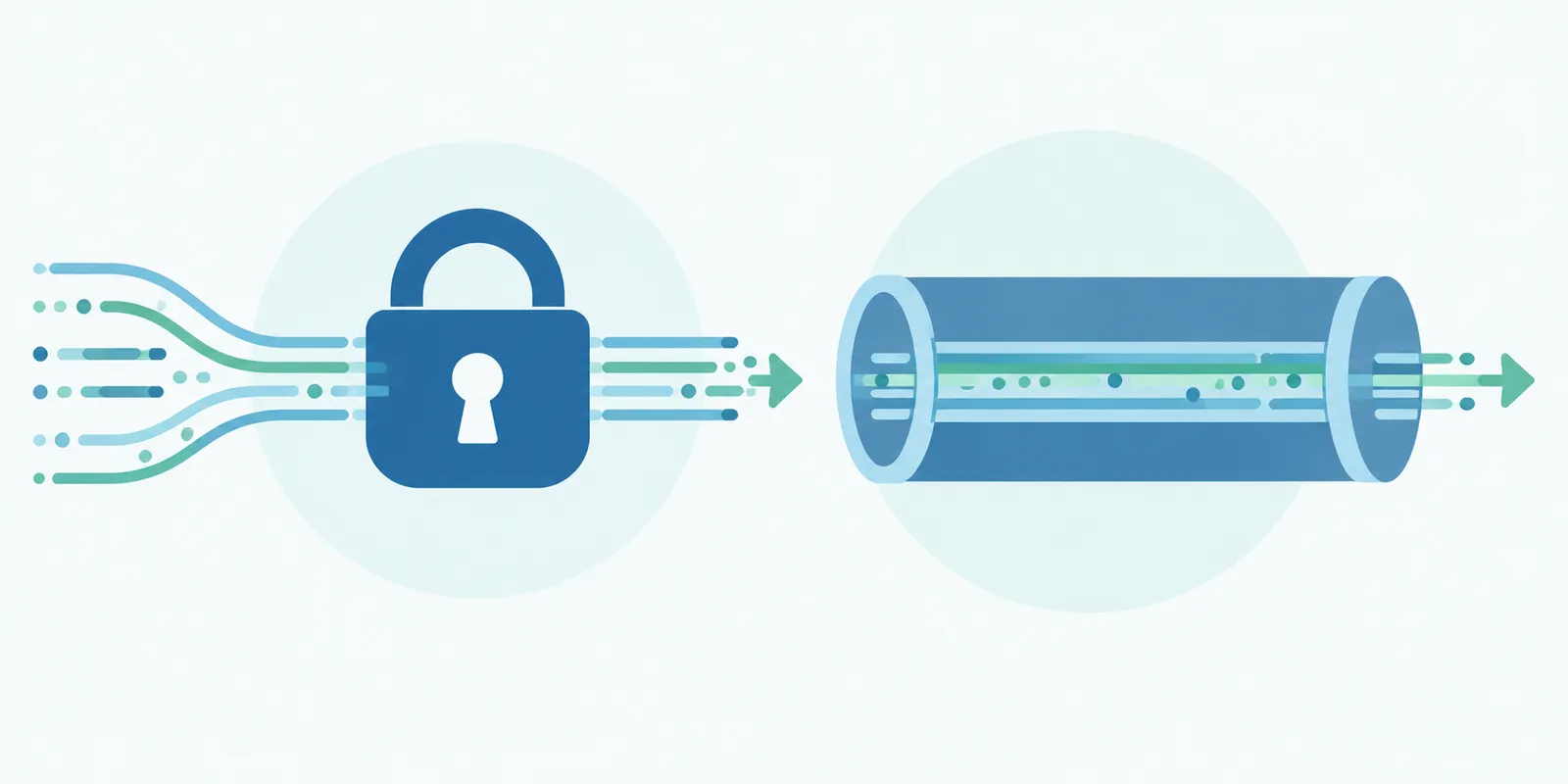
A quick self-check — not a certification exam — for sorting out who and what HIPAA covers.
If you're trying to sort out who and what is covered, run through this list. (This is a plain self-check, not a certification exam.)
Likely covered by HIPAA:
- A therapist who bills insurance electronically
- The practice's employees and contractors who handle PHI
- A billing service handling claims for the practice (as a business associate)
- An EHR or secure-messaging vendor storing or transmitting the practice's PHI (as a business associate)
- A psychiatrist, PCP, or other provider you share patient information with as part of treatment
Often not governed by HIPAA (though other rules may apply):
- A wellness or fitness app a patient uses on their own
- A life or disability insurer requesting records with patient authorization (different rules apply)
- A friend or family member who happens to know health details
- Health information you hold outside your covered-entity role
When in doubt, the safer assumption for information in your practice is to protect it as if HIPAA applies and confirm your obligations with a compliance resource.
HIPAA vs. State Privacy Laws: Which One Wins?
[Needs clinician review]
A common misconception is that "HIPAA regulations override any state laws which demand stricter privacy." The general rule is actually the opposite: HIPAA sets a federal floor, not a ceiling. Where a state law is more protective of patient privacy (or gives patients greater rights), that stricter state law generally controls. HIPAA preempts state laws that are contrary to it and less protective.
For behavioral health, this matters a lot. Many states have heightened protections for categories like mental health records, psychotherapy notes, substance use treatment, HIV status, and minors' information. In those areas, your state's rules may require additional consent or stricter handling than HIPAA alone.
Because preemption analysis is genuinely state-specific and fact-dependent, this is not something to settle from a blog post. If you practice across state lines, serve minors, or handle sensitive record categories, have a qualified healthcare attorney or compliance professional confirm which rules apply in your jurisdiction.
What Are the Consequences of a HIPAA Violation?
[Needs clinician review]
Violating HIPAA can result in a range of consequences, generally handled through the HHS Office for Civil Rights (OCR). Broadly, these fall into:
- Civil monetary penalties, structured in tiers based on the level of culpability — from violations the entity didn't know about (and couldn't reasonably have known) through willful neglect that isn't corrected. [SOURCE NEEDED: current HHS/OCR civil penalty tier dollar amounts and annual caps]
- Criminal penalties, which can apply in cases involving knowing wrongful disclosure or obtaining of PHI, up to and including fines and imprisonment for the most serious conduct. [SOURCE NEEDED: current criminal penalty tiers and amounts per HHS/DOJ]
- Corrective action plans and settlements negotiated with OCR, which can require years of monitored remediation.
- State enforcement, since some state attorneys general can also pursue HIPAA-related actions, and state privacy laws may add their own penalties.
- Professional and reputational consequences — licensing board attention and loss of patient trust, which can outlast any financial penalty.
For specifics on how serious a given violation is and what penalties currently apply, rely on official HHS/OCR guidance rather than secondhand figures. Enforcement outcomes depend heavily on the facts, the harm, and whether the issue was corrected.
Why "HIPAA Violation Stories" Searches Miss the Point
A lot of people search for dramatic "HIPAA violation stories." It's understandable — scary anecdotes are memorable. But reading horror stories rarely tells you what to actually do differently, and we won't share case examples here.
The more useful question isn't "what's the worst that happened to someone else?" It's "where are the everyday gaps in how I handle PHI, and how do I close them?" Most compliance risk for small practices isn't dramatic. It's routine: an unencrypted email to a referral source, a text message about a patient from a personal phone, a document shared through a channel with no BAA in place. The fix is boring and effective — build secure habits into your daily workflow.
Where Fragmented Communication Creates HIPAA Risk for Therapists

Fragmented, ad hoc channels create everyday risk; a single secure channel reduces it.
For a solo or small behavioral-health practice, a lot of PHI moves during care coordination: a note to a prescribing psychiatrist, a referral to a PCP, a question to a dietitian, a records request from another clinician. Treatment coordination is a legitimate and permitted use of PHI — the risk isn't that you communicate, it's how.
Common friction points include:
- Personal texting about a shared patient from a phone that isn't secured or configured for PHI
- Plain email to another provider without appropriate safeguards
- Attachments (assessments, intake summaries, referral packets) sent through tools that don't support a BAA
- Fragmented threads across text, email, voicemail, and fax, where no one has the full picture and information gets copied into less-secure places
None of these make you a bad clinician — they're just what happens when coordination tools haven't kept up with how often small practices now work alongside outside providers.
How Secure Care Coordination Reduces Everyday Compliance Risk
Patient Care Circle (PCC) is built for exactly this: HIPAA-compliant secure messaging designed for behavioral-health providers who coordinate around shared patients. Instead of ad hoc texts and plain email, PCC gives you:
- Secure provider-to-provider messaging for the day-to-day coordination you already do
- Secure document and referral sharing, so assessments and referral packets don't travel through channels that weren't built for PHI
- A shared care circle around each patient, so the providers involved can communicate in one place instead of scattered threads
The goal is simple: reduce fragmented care and make the secure way to communicate the easy way to communicate — so protecting PHI isn't an extra step you have to remember.
Important: PCC is a communication tool and not a substitute for clinical judgment or emergency services. Using secure software is one part of compliance; it does not by itself guarantee HIPAA compliance or eliminate legal liability. Your policies, training, agreements (including BAAs), and professional judgment all still matter.
FAQ
Who is bound by HIPAA laws? Covered entities (most healthcare providers, health plans, and healthcare clearinghouses), their business associates (vendors and contractors that handle PHI on their behalf), and the workforce members of both. HIPAA is tied to these roles — not to simply knowing someone's health information.
Who has to follow the HIPAA laws? Anyone in those roles above. For a therapy practice, that typically means the practice itself (as a covered entity), its staff and contractors, and the vendors it signs business associate agreements with.
Does HIPAA apply to only healthcare providers? No. It also applies to health plans, healthcare clearinghouses, business associates like billing services and EHR vendors, and the workforce members of all these organizations. You don't have to be a clinician to be bound by HIPAA.
When must you follow state law instead of HIPAA? Generally, when a state privacy law is stricter or more protective of patient rights than HIPAA, that state law controls — HIPAA is a federal floor, not a ceiling. This is especially relevant for mental health and other sensitive records. Because this is state-specific, confirm the details for your jurisdiction with a qualified professional.
What are the consequences of a HIPAA violation for a small practice? Consequences can include civil monetary penalties, potential criminal penalties for the most serious conduct, OCR corrective action plans and settlements, possible state enforcement, and professional or reputational harm. Penalties depend on the facts and whether the issue was corrected. Check current HHS/OCR guidance for specific figures. [SOURCE NEEDED: current penalty amounts]
Does HIPAA apply to conversations with family members? HIPAA includes rules for when you may share information with a patient's family. Whether a specific disclosure is permitted depends on the circumstances, the patient's consent or objection, and your clinical judgment. This is a nuanced area — review the specifics carefully.
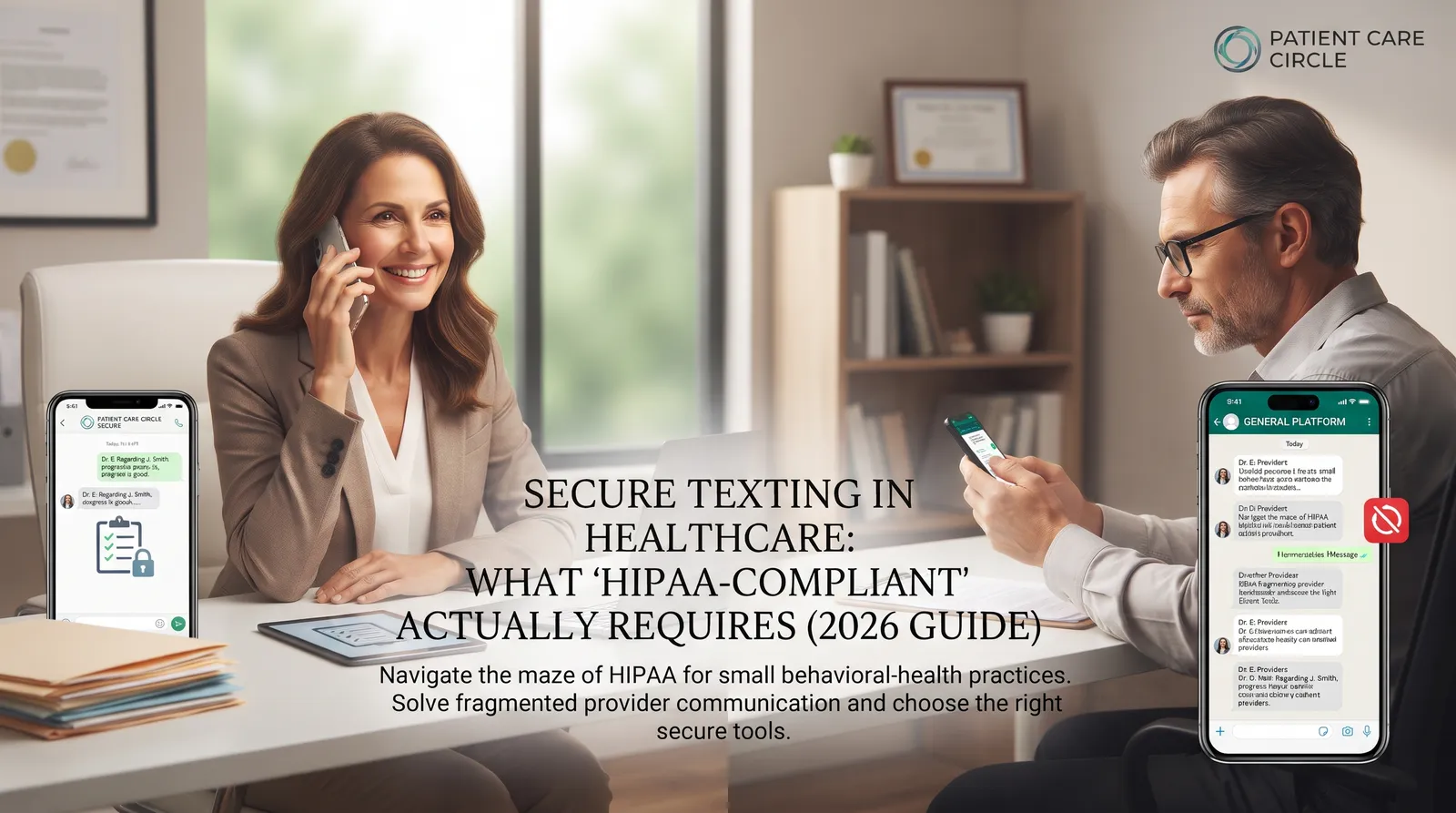
Does texting another provider about a shared patient violate HIPAA? Coordinating treatment is a permitted use of PHI, but the method has to meet HIPAA's security requirements. Texting from a personal, unsecured phone can create risk. Using a secure, HIPAA-compliant messaging tool for provider-to-provider communication is a safer way to handle the coordination you're already doing.
Frequently asked questions
Who is bound by HIPAA laws?
Covered entities (most healthcare providers, health plans, and healthcare clearinghouses), their business associates (vendors and contractors that handle PHI on their behalf), and the workforce members of both. HIPAA is tied to these roles, not to simply knowing someone's health information.
Who has to follow the HIPAA laws?
Anyone in a covered-entity, business-associate, or workforce-member role. For a therapy practice, that typically means the practice itself as a covered entity, its staff and contractors, and the vendors it signs business associate agreements with.
Does HIPAA apply to only healthcare providers?
No. It also applies to health plans, healthcare clearinghouses, business associates like billing services and EHR vendors, and the workforce members of all these organizations. You don't have to be a clinician to be bound by HIPAA.
When must you follow state law instead of HIPAA?
Generally, when a state privacy law is stricter or more protective of patient rights than HIPAA, that state law controls, because HIPAA is a federal floor rather than a ceiling. This is especially relevant for mental health and other sensitive records. Because this is state-specific, confirm the details for your jurisdiction with a qualified professional.
What are the consequences of a HIPAA violation for a small practice?
Consequences can include civil monetary penalties, potential criminal penalties for the most serious conduct, OCR corrective action plans and settlements, possible state enforcement, and professional or reputational harm. Penalties depend on the facts and whether the issue was corrected. Check current HHS/OCR guidance for specific figures.
Does HIPAA apply to conversations with family members?
HIPAA includes rules for when you may share information with a patient's family. Whether a specific disclosure is permitted depends on the circumstances, the patient's consent or objection, and your clinical judgment. This is a nuanced area that should be reviewed carefully.
Does texting another provider about a shared patient violate HIPAA?
Coordinating treatment is a permitted use of PHI, but the method has to meet HIPAA's security requirements. Texting from a personal, unsecured phone can create risk. Using a secure, HIPAA-compliant messaging tool for provider-to-provider communication is a safer way to handle the coordination you're already doing.